Can Security Cameras Deter Theft at Your Home?
A thief walking up to a home or business is usually looking for the easiest opportunity, not the biggest challenge. A visible camera above the entry, a well-lit driveway, and clear coverage around vulnerable areas can change that calculation fast. So, can security cameras deter theft? In many cases, yes – especially when they are installed as part of a thoughtful, visible security plan rather than treated as a single piece of equipment.
For Florida homeowners and business owners, the goal is not simply to record an incident after it happens. It is to make your property less attractive to someone looking for a quick, low-risk target. The right camera system helps create that hesitation while giving you useful evidence and real-time visibility when you need it.
How Security Cameras Deter Theft
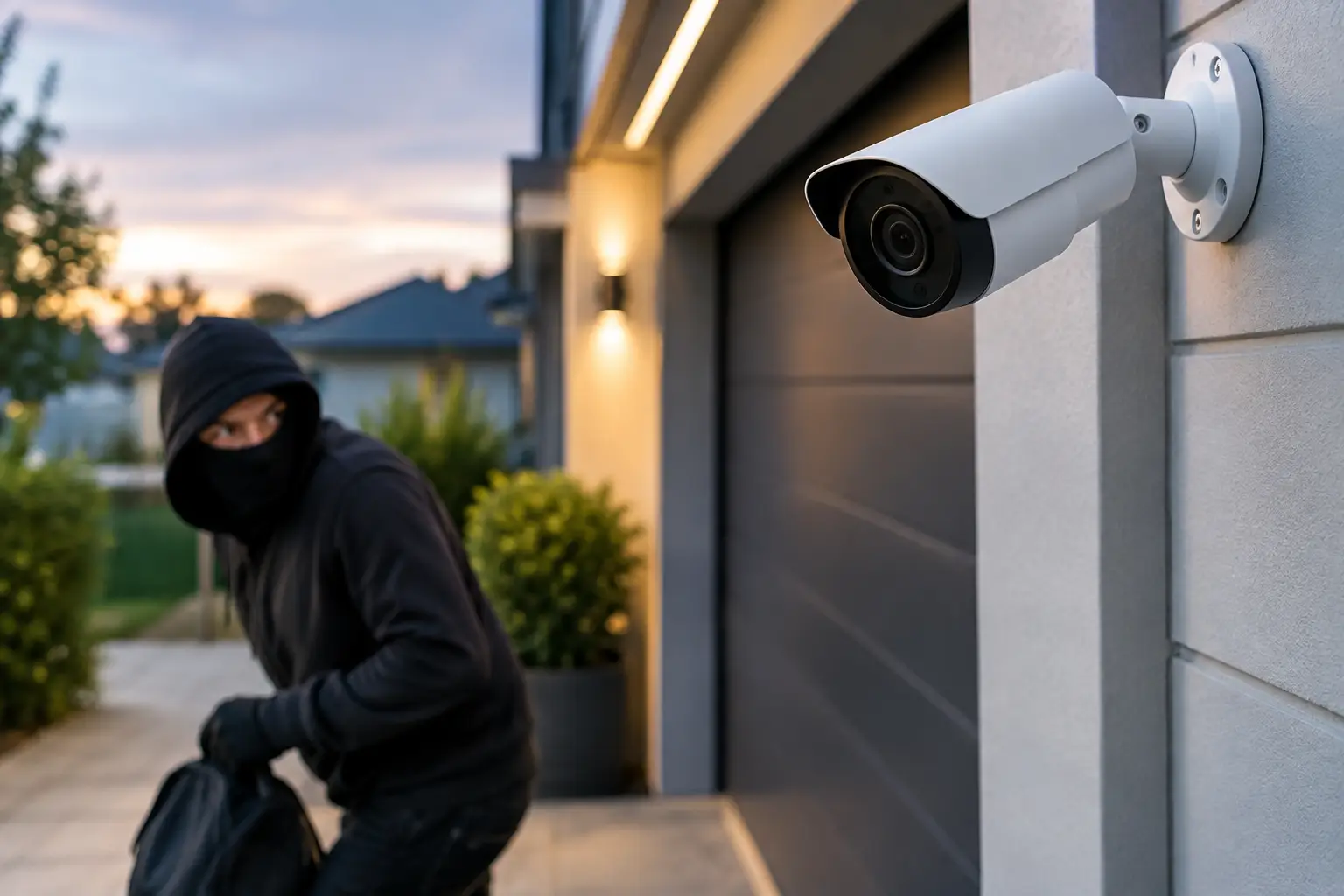
Security cameras work as a deterrent because they increase the perceived risk of being identified. A person considering a package theft, vehicle break-in, burglary, or unauthorized entry has to account for video footage, facial recognition, license plate details, alerts, and the possibility that someone is watching live.
That does not mean every camera will stop every crime. A determined intruder may wear a mask, arrive at night, or target a location they believe is unoccupied. But most property crime is opportunistic. When one house has obvious cameras, motion lighting, and a clear view of the front walk while the next house has dark corners and no visible coverage, the less protected property may look easier.
The deterrent effect is strongest when a camera system feels intentional. A single doorbell camera can be valuable, but it may not discourage someone who can approach through a side gate, garage, pool area, or rear entry without being seen. Coverage that addresses the way people actually move around a property sends a much clearer message.
Visible Cameras Matter, but So Does Smart Placement
Some owners prefer discreet cameras to preserve clean architecture and landscaping. Others want cameras that are easy to spot. Both approaches have value, and the best choice often combines them.
Visible cameras can discourage unwanted behavior before it starts. Positioning them near the front door, garage, driveway, loading area, or main business entrance makes it clear that activity is being monitored. For a retail storefront or office, cameras near entrances and parking areas can also reassure employees and customers.
More discreet cameras protect areas that are easy to overlook, such as side yards, back patios, detached garages, service doors, and equipment areas. They can preserve a polished exterior while still filling coverage gaps. The key is not to hide every camera. If deterrence is a priority, at least some coverage should be plainly noticeable.
Cover the paths, not just the doors
A common mistake is aiming every camera directly at a door. Doors matter, but a useful design starts earlier in the path of travel. Driveways, walkways, gates, alley access, and parking lots can capture someone before they reach the building.
For homes, that may mean covering the front approach, driveway, garage, side gate, and backyard access. For businesses, it can include customer entrances, employee doors, receiving areas, dumpsters, inventory storage, and the parking lot. Every property has different weak points, which is why a walkthrough is more valuable than choosing camera locations from a product box.
Camera height and angle matter, too. A camera mounted too high may show that someone was present without capturing a useful face. One placed too low can be tampered with or blocked. Professional positioning balances a wide enough view with the detail needed to identify people, vehicles, and activity.
Lighting Makes Cameras More Effective at Night
Nighttime is where a camera system either proves its value or exposes its limitations. Many cameras have infrared night vision, but even good infrared footage can lose color detail and make faces harder to identify at a distance. A well-designed lighting plan improves image quality and makes an intruder feel more exposed.
Motion-activated lighting near doors, gates, driveways, and dark side yards is a practical complement to camera coverage. When lights activate, the camera gets a clearer image and the sudden change can make someone think twice about continuing. For a commercial property, consistent exterior lighting can reduce hiding places and make employees feel more comfortable arriving early or leaving after dark.
The trade-off is avoiding glare. A bright fixture pointed directly into a camera lens can wash out the image. Lighting and camera angles should be planned together, particularly around pool areas, waterfront properties, patios, and reflective surfaces such as windows or polished vehicles.
Recording Footage Is Only Part of the Value
The immediate deterrent is important, but recorded footage gives cameras a second layer of protection. If a theft does occur, clear video can help document what happened, establish a timeline, identify a vehicle, and support a police report or insurance claim.
Modern systems can also send alerts for motion in selected zones. That means you can be notified when someone enters a side yard after hours, approaches a business service door, or walks up a driveway while you are away. Smart alerts are most helpful when they are configured carefully. If every passing car, swaying palm frond, or delivery driver triggers a notification, people start ignoring the system.
A professionally configured setup can focus attention on the areas that matter most. It can also make remote viewing simple, so checking your property does not become another complicated app or another device to manage.
When Cameras Are Less Likely to Prevent Theft
Security cameras are effective, but they are not a replacement for locks, alarms, lighting, access control, or common-sense habits. A camera cannot physically stop someone from breaking a window or taking an unattended item. It creates visibility, documentation, and a meaningful layer of risk for the person considering the crime.
Cameras are less likely to deter theft when they are poorly maintained, installed in obvious blind spots, or not recording reliably. Fake cameras can also backfire. Someone familiar with security equipment may recognize them, and they provide no footage if an incident occurs.
Internet reliability is another consideration. A system that relies only on cloud recording may be limited during an outage. Depending on the property and your security priorities, local recording or a hybrid setup can provide additional peace of mind. The right approach depends on how much coverage you need, how often the property is vacant, and whether live monitoring is important to you.
A Better Deterrent Comes From a Complete System
The most effective properties make security feel built in, not added on as an afterthought. Cameras should work with the environment: entry lighting should support nighttime video, Wi-Fi should reliably reach exterior cameras, and wiring should be protected and visually clean. For many homes, a camera system also needs to account for outdoor living spaces, pool decks, workshops, and detached structures.
At a business, that same thinking can connect exterior surveillance with better coverage of entrances, employee areas, stockrooms, and customer spaces. A clean installation matters here. Exposed wires, poorly placed devices, and uneven coverage can make a professional property look less secure rather than more secure.
Frequencies USA designs camera installations around how each home or business is used, with concealed wiring and placement that protects both coverage and curb appeal. The objective is straightforward: make it easier to see what matters, easier to respond, and harder for a thief to view your property as an easy opportunity.
If you are considering cameras, start by walking your property after dark. Notice where someone could approach without being seen, where lighting falls short, and which entrances are used most often. Those details will point you toward a security plan that does more than capture footage – it helps prevent the situation you never want to record.
 Previous Post