Landscape Lighting Automation That Feels Effortless
A beautifully lit pool deck should not depend on someone remembering a switch before sunset. Neither should a dark front walkway greet family, guests, or customers after a long day. Landscape lighting automation puts your exterior lighting on a schedule and under simple control, so the property looks polished, feels safer, and works the way it should every evening.
For Florida homeowners, automation is especially useful because outdoor living does not end when the sun goes down. Patios, lanais, pools, docks, outdoor kitchens, and entryways become part of the home after dark. The right system keeps those areas inviting without leaving lights running all night or filling the yard with unnecessary glare.
What Landscape Lighting Automation Actually Does
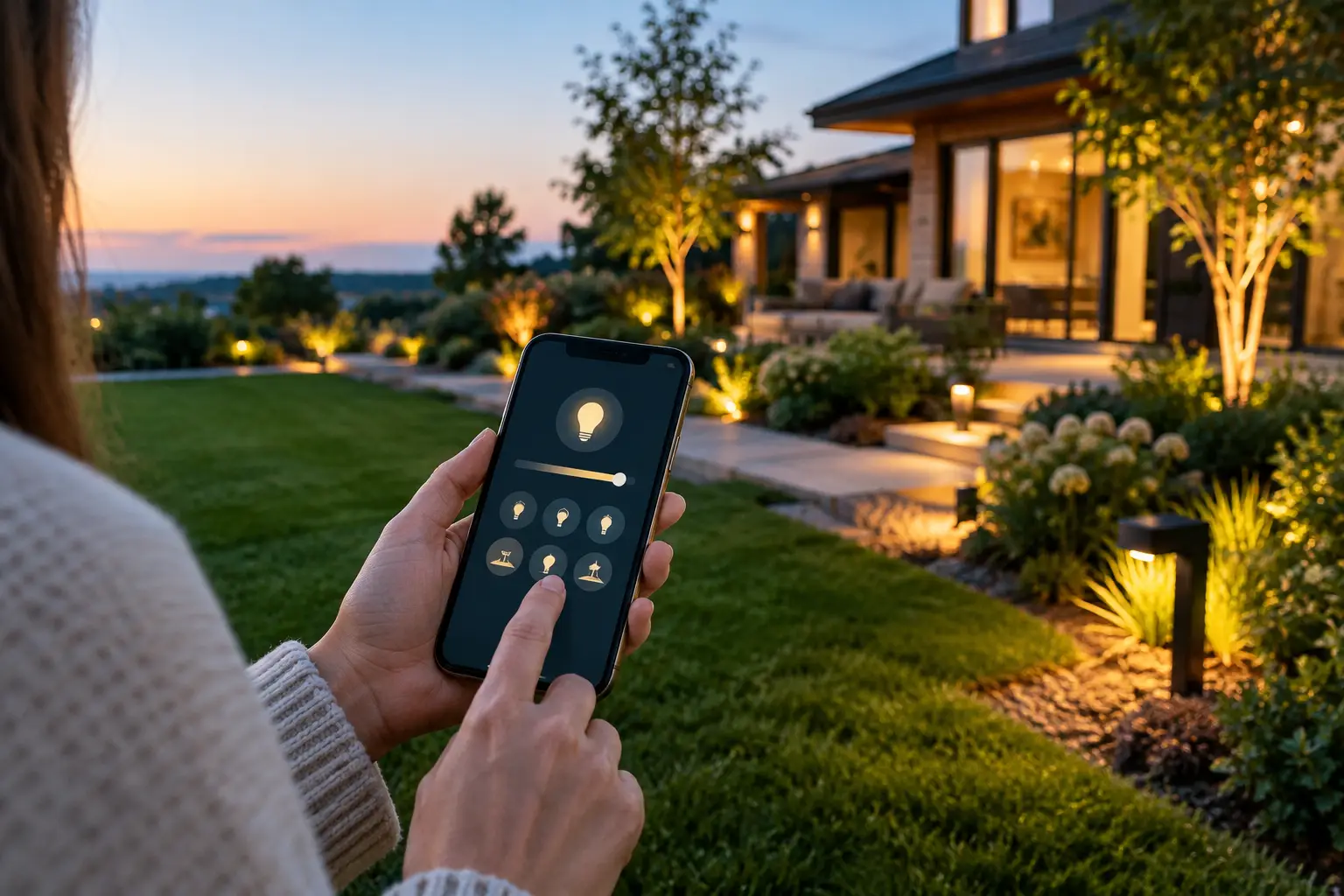
At its best, automated landscape lighting is not a collection of lights controlled by a complicated app. It is a professionally planned system that responds to the time of day, changing seasons, and the way you use your property. A controller can turn selected fixtures on at sunset, dim them later in the evening, and switch them off at a chosen time.
You can also create separate lighting scenes. An everyday scene might illuminate the front path, driveway, architectural features, and key areas around the backyard. An entertaining scene can bring up the pool area, patio, and landscape accents for a dinner outside. A late-night scene can leave only essential path and security lighting active.
The goal is convenience, but the result is more intentional. Instead of treating every exterior fixture the same, automation gives each area a purpose.
Better Control Without More Clutter
Many properties begin with timers that are difficult to adjust or basic lights that stay on until morning. Those options can work, but they rarely match a household’s routine. A timer may drift after a power interruption, ignore seasonal sunset changes, or require a trip to a garage or utility area whenever you want to make an adjustment.
A smart lighting controller can be programmed around astronomical time, meaning it follows local sunset and sunrise patterns rather than a fixed clock setting. That matters in Florida, where daylight hours change enough throughout the year to make a static schedule feel off.
Control can live in a wall keypad, a smartphone interface, or within a larger smart-home system. The best choice depends on who will use the system and how much automation you want. Some clients prefer a dedicated button near the main entry. Others want lighting included in a whole-home “Goodnight” command that turns off indoor entertainment areas, adjusts exterior lights, and arms selected security features.
Simple control is usually better than endless control. If every family member needs a tutorial to turn on the patio lights, the system was not designed around real life.
Design Comes Before Automation
Automation cannot fix poor lighting placement. Before selecting controls, a professional design should identify where light is needed and what it should accomplish. A front entry may need clear, comfortable visibility. A mature oak or palm can become a focal point with carefully aimed uplighting. Steps, grade changes, and pathways need lighting that helps people move safely without creating harsh hot spots.
The same principle applies around pools and outdoor kitchens. Light should support conversation, cooking, and movement, not shine directly into guests’ eyes or reflect aggressively off water. Fixtures should be positioned and shielded with care, particularly near seating areas and windows.
Color temperature also shapes the final look. Warm white lighting often complements natural stone, stucco, wood, and Florida landscaping. Cooler light can look crisp in certain modern designs, but too much of it can make a welcoming outdoor space feel stark. A quality installation balances the architecture, plant material, and the mood you want after sunset.
This is why concealed wiring and clean fixture placement matter. The system should enhance the property without exposing cables, cluttering beds, or drawing attention to hardware in daylight.
Where Automation Makes the Biggest Difference
Front-yard lighting is often the first priority because it improves curb appeal and helps visitors see the address, walkway, and entry. Automating it ensures the home never looks dark and unoccupied simply because no one arrived before sunset.
Backyard lighting often delivers the biggest lifestyle upgrade. When a pool, lanai, or outdoor kitchen is used regularly, a pre-set scene removes a small but constant inconvenience. One command can create the right atmosphere for a quiet evening, while another provides brighter coverage for guests or cleanup.
Commercial properties can benefit in a similar way. Entrances, signage, patios, and walkways need dependable illumination without requiring staff to manage switches every evening. Scheduled lighting supports a professional appearance and can reduce the chance that lights are left on longer than necessary.
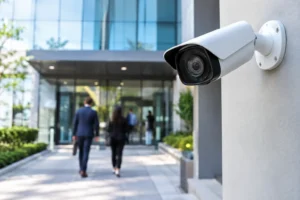
Security is another practical consideration, although landscape lighting is not a replacement for a full security system. Well-designed lighting can reduce dark hiding areas, make camera views more usable at night, and help residents or employees move through the property confidently. Motion-triggered options may make sense in side yards, service areas, or less frequently used access points. They are not always ideal near a main patio, where normal movement could create distracting changes in light.
Choosing the Right Level of Automation
Not every property needs the same system. A smaller home may need only a reliable low-voltage lighting layout with sunset scheduling and a few clearly defined zones. A larger property may benefit from multiple scenes, integrated smart-home controls, and separate schedules for the entry, landscape, pool, and entertaining areas.
There are trade-offs. More zones and more advanced control create more flexibility, but they also require more planning and programming. App control is convenient, but it should not be the only way to operate the lights. Internet outages, phone changes, and visiting family members are easier to manage when essential functions are also available through a physical control.
Fixture selection matters, too. Low-voltage LED lighting is typically efficient, long-lasting, and well-suited to residential landscapes. However, fixture quality should not be judged by brightness alone. Beam spread, build material, glare control, color consistency, and serviceability all affect how the system looks over time.
For coastal and high-moisture areas, materials and connections deserve additional attention. Florida heat, heavy rain, irrigation, salt air in some locations, and active landscaping can expose shortcuts quickly. Professional installation helps protect wiring, transformers, connections, and controls from problems that may not appear on day one.
Professional Programming Makes It Feel Natural
The difference between automated lights and a well-integrated outdoor lighting system is often in the details. A thoughtful program accounts for when people typically arrive home, how late the family uses the backyard, and which lights should remain on after everyone goes inside.
For example, decorative tree lighting may not need to run until midnight on a weekday. Path lighting near the front door might stay on later. Pool-area accent lights may come on only when an entertaining scene is selected. These choices conserve energy while preserving the visual impact that makes exterior lighting worthwhile.
At Frequencies USA, the process begins with how you want the space to feel and function, not with a one-size-fits-all package. The right design can also coordinate with outdoor audio, security cameras, and existing smart-home controls, giving you a cleaner experience without overcomplicating daily use.
Plan for Changes After Installation
Landscapes change. Plants grow, trees are trimmed, patios are updated, and a quiet side yard can become the location for a new seating area or fire feature. An adaptable system allows for future adjustments without forcing a complete restart.
Ask for a system that can be serviced and expanded thoughtfully. That includes accessible equipment, protected connections, labeled zones, and programming that can be updated when your routine changes. It is also worth checking the lighting at night after installation. Small aiming adjustments can make a dramatic difference in eliminating glare, highlighting a feature, or improving coverage on a step.
A well-lit property should never feel over-lit. The strongest designs create a sense of comfort and depth, guiding people toward the places they are meant to enjoy. With the right automation behind it, that experience is ready when the evening begins, whether you are coming home from work, hosting friends by the pool, or welcoming the first customer of the day.
 Previous Post
 Next Post