Which Cameras Work at Night? A Clear Guide
A camera can look impressive in daylight and still leave you guessing after sunset. For homeowners and business owners asking which cameras work at night, the answer is not simply “the ones with night vision.” Clear nighttime security depends on the camera’s sensor, lens, infrared capability, available lighting, and where it is installed. The goal is not just to capture motion in the dark. It is to capture usable detail when it matters.
Which Cameras Work at Night Best?
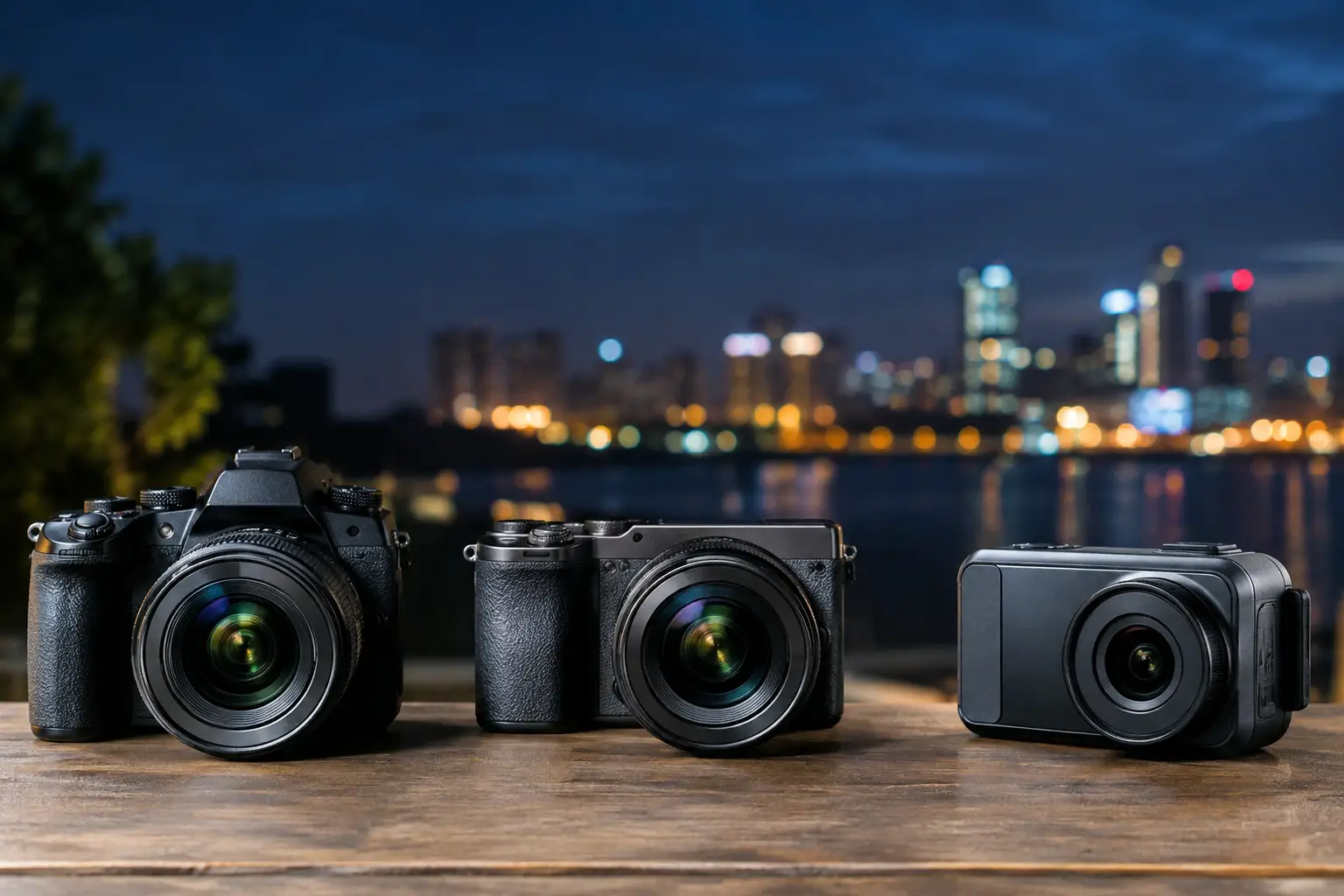
The best cameras for nighttime use are purpose-built security cameras with either infrared night vision, low-light color imaging, supplemental white light, or a combination of these features. The right choice depends on what you need to see: a person approaching a door, activity around a pool, vehicles at a driveway entrance, or movement across a larger commercial property.
A quality camera system should make it possible to identify meaningful details, not just confirm that something moved. Faces, clothing, vehicle colors, and license plates all require different levels of light, resolution, and placement. That is why a camera that works well at a front door may not be the best fit for a long, dark driveway.
Infrared cameras for reliable black-and-white footage
Infrared, often called IR, is the most common nighttime camera technology. These cameras use built-in infrared LEDs to illuminate an area with light that is largely invisible to the human eye. When surrounding light drops, the camera switches into black-and-white mode and uses that infrared illumination to continue recording.
IR cameras are practical for side yards, gates, walkways, garage exteriors, and other locations where adding visible light is not desirable. They can provide dependable coverage in total darkness and are often a smart starting point for residential and commercial security systems.
The trade-off is detail at distance. Infrared range claims can sound generous, but real performance depends on the reflectivity of nearby surfaces, landscaping, weather, and camera angle. A white fence, stucco wall, or shiny vehicle can also bounce IR light back toward the lens, creating glare or washed-out footage. Proper positioning matters as much as the camera itself.
Color night vision cameras for better context
Low-light color cameras use larger sensors, wide-aperture lenses, and advanced image processing to keep footage in color under dim conditions. Color is valuable because it adds context: the color of a vehicle, shirt, bag, or exterior feature may be relevant when reviewing an event.
These cameras perform especially well where there is already modest ambient lighting, such as porch lights, landscape lighting, parking areas, storefronts, or pool decks. In Florida neighborhoods, even a small amount of nearby lighting can make the difference between grainy nighttime video and clear color footage.
Color night vision is not magic, though. In complete darkness, a color camera needs help. Some models switch to infrared black-and-white recording, while others activate a built-in white light. A professionally designed system can use discreet architectural or landscape lighting to support coverage without turning your home into a brightly lit commercial site.
Spotlight cameras for active deterrence
Cameras with integrated spotlights illuminate an area when motion is detected. They can record in color at night while also making an intruder aware that the property is being monitored. This is often a strong choice for driveways, rear patios, detached garages, boat or RV storage areas, and business entrances.
The benefit is obvious: visible light improves image quality. The consideration is placement. A motion-triggered spotlight pointed toward bedroom windows, a neighbor’s property, or a frequently used walkway can become distracting. It should be aimed and configured around how the space is actually used after dark.
License plate and long-range cameras
A wide-angle camera is excellent for viewing an overall scene, but it is rarely the best tool for reading a license plate at the far end of a driveway. For that job, a dedicated camera with the correct lens, narrow field of view, and strategic mounting location is often needed.
Long-range and license plate capture cameras must be planned carefully. Headlights, high-speed vehicles, entry angles, and reflective plates can challenge even high-resolution equipment. If identifying vehicles is a priority, it is better to design for that requirement from the start than expect one general-purpose camera to do every job.
Nighttime Performance Starts With Placement
The most capable camera cannot overcome poor placement. A camera mounted too high may capture the tops of heads. A camera pointed directly at a bright porch light may struggle with glare. A lens aimed across a yard at a shallow angle may miss faces entirely.
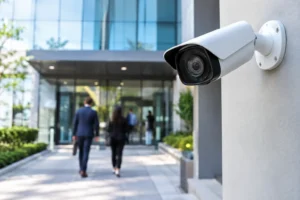
For entry points, cameras should generally be positioned to capture a person’s face as they approach, not only as they walk away. Doorbell cameras can be useful, but they are most effective when combined with cameras that cover the approach to the front door and adjacent driveway or walkway.
At pool areas and patios, placement should account for water reflections, screen enclosures, decorative lighting, and the way people move through the space. Cameras should cover access points without unnecessarily aiming into private gathering areas. The result should feel secure and polished, not intrusive.
Commercial properties benefit from the same thinking. Loading areas, employee entrances, customer parking, registers, and rear exits each call for a different view. Covering a large area is useful, but recording the details needed to investigate an incident is what gives the system real value.
What Can Reduce Night Camera Clarity?
Night footage is affected by more than darkness. Florida’s heat, humidity, rain, insects, and landscaping can all influence camera performance over time. A camera installed under an eave may avoid direct rain, yet spiderwebs near infrared LEDs can create bright streaks and false motion alerts. Trees and palms that grow into a camera’s view can trigger recordings every windy night.
Glare is another frequent issue. Outdoor lights, vehicle headlights, illuminated house numbers, and reflective windows can confuse exposure settings. Cameras with wide dynamic range can manage challenging lighting better, but thoughtful aiming remains essential.
Wi-Fi also deserves attention. Wireless cameras are convenient, but they depend on stable coverage at each camera location. A weak signal can lead to delayed alerts, poor live views, or missed recordings. For permanent installations, wired cameras and professionally planned network equipment usually provide greater consistency, particularly for larger homes, detached buildings, and commercial spaces.
How to Choose the Right Night Camera System
Begin with the question: what do you need to identify after dark? If the answer is simply whether someone entered a side yard, infrared coverage may be enough. If you need color evidence around a driveway, entrance, or parking area, low-light color cameras with well-designed lighting may be the better investment.
Resolution matters, but it is not the only measure of quality. A high-resolution camera mounted too far away still may not capture a usable face. Likewise, a lower-resolution camera installed close to the area of interest can often produce more useful evidence. Lens selection, field of view, recorder quality, storage duration, and mobile access should all work together.
It is also worth considering how the system will look once installed. Exposed wires, poorly placed conduit, and mismatched equipment can take away from an otherwise beautiful home or business. Clean wiring, thoughtful camera locations, and a system designed around the architecture preserve the appearance of the property while delivering dependable coverage.
For homes and businesses in the Tampa Bay area, Frequencies USA can evaluate the property, identify nighttime blind spots, and design a camera and lighting strategy around how the space is used. A free estimate can clarify whether infrared coverage, color night vision, dedicated vehicle monitoring, or a combination of options makes the most sense.
The right nighttime camera is the one that captures the details you would need tomorrow, not just a dark silhouette you wish had been clearer.
 Previous Post
 Next Post