How to Choose a Whole Home Audio System Installer
The difference between music that fills your home and a pile of speakers you rarely use usually comes down to the design. A qualified whole home audio system installer does more than mount equipment and connect cables. They plan how your family lives, where you gather, which spaces need independent control, and how every component can disappear into the architecture.
For Florida homeowners, that planning often includes more than the living room. It may mean soft background music in the kitchen, stronger sound around the pool, a dedicated zone for the patio, and easy control from a phone or wall keypad. The goal is simple: great sound wherever you want it, without visible wires, crowded shelves, or complicated remotes.
Start With How You Want to Use Sound
Before comparing speakers or apps, think about the moments your audio system should support. A family may want music in the kitchen during busy mornings, television sound in the main living area, and a separate playlist outdoors for weekend entertaining. Another homeowner may care most about high-fidelity listening in a media room, with lighter background audio elsewhere.
Those are different systems, even if both are called whole-home audio. A professional should ask practical questions about your rooms, daily routines, preferred music services, existing equipment, and plans for future renovations. They should also ask whether different people need to listen to different sources at the same time.
A good design gives each area its own purpose. The dining room does not always need the same speaker placement or volume capability as a covered lanai. A pool deck may require weather-rated speakers and thoughtful placement that keeps sound enjoyable near the house without pushing it toward the neighbors. Understanding these distinctions early prevents a system that is either underpowered or unnecessarily expensive.
What a Whole Home Audio System Installer Should Handle
The best installations feel easy because the difficult work was handled before the first speaker plays. Your installer should be able to design the system, recommend equipment that fits your goals, install and conceal wiring, configure control, and test each zone before handing it over.
Clean wiring is part of the finished product
A polished audio system should complement your home, not compete with it. That means speakers placed intentionally, equipment organized in a proper location, and wiring routed through walls, ceilings, cabinetry, or attic spaces whenever possible. Visible cords, exposed surface raceways, and overloaded shelves can make even premium equipment look unfinished.
Concealed wiring takes experience, especially in finished homes. An installer needs to understand framing, insulation, access points, and how to protect the home while running cable. The cleanest-looking solution is not always the least expensive one, but it adds real value by preserving the look of your rooms.
Control should be simple enough for everyone
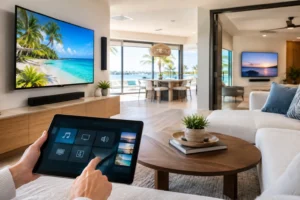
An audio system earns its place in the home when people actually use it. Your control experience might be an app, wall-mounted keypad, handheld remote, smart-home interface, or a combination of these. The right approach depends on who will use the system and how often.
Apps are flexible and familiar, but a dedicated keypad can be useful in a kitchen, patio, or primary bedroom where guests and family members want quick access without finding a phone. Ask the installer to show you what daily use will look like: changing rooms, adjusting volume, selecting music, and grouping areas for a party.
Your network matters more than most people expect
Whole-home audio depends on reliable connectivity, particularly when multiple rooms stream music at once. If Wi-Fi is weak in the patio, garage, or far side of the home, the audio experience may suffer from dropouts or slow response. In many cases, improving the home network is part of building an audio system that performs consistently.
A knowledgeable installer will evaluate network coverage rather than treating it as someone else’s problem. For larger homes, a properly designed Wi-Fi mesh network and hardwired connections where appropriate can make music control faster and more dependable.
Choose the Right Speaker Style for Each Space
There is no single best speaker for every room. In-ceiling speakers are popular because they provide even coverage while preserving a clean, open look. They work well for kitchens, hallways, bedrooms, and common areas where background music and everyday listening are the priority.
In-wall speakers can be a better visual choice in certain rooms, while bookshelf or floor-standing speakers may make sense where focused, higher-performance listening matters most. Outdoors, landscape speakers and buried subwoofers can create fuller sound across a yard without the harsh, localized effect of one loud patio speaker.
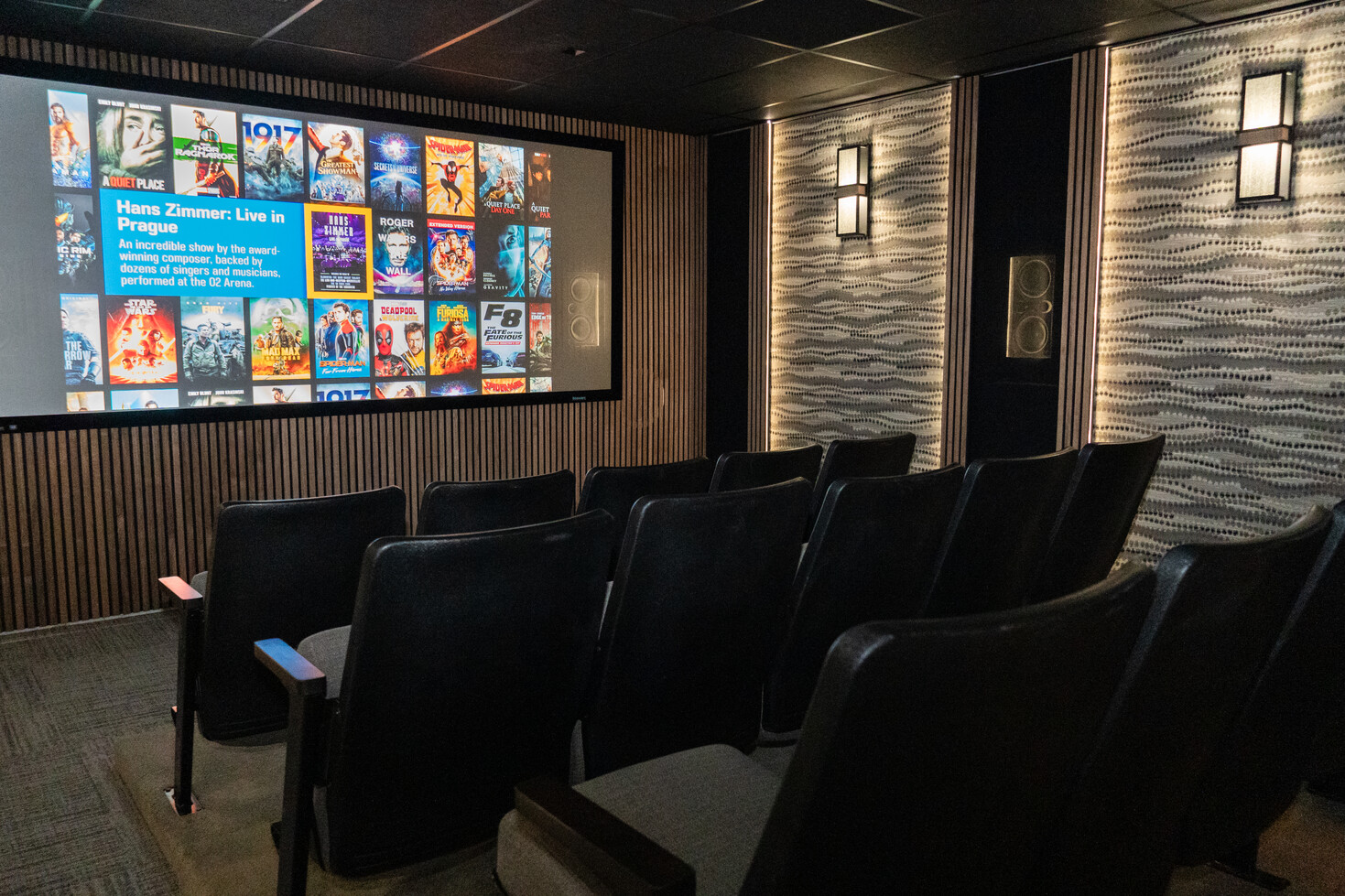
For television areas, separate audio planning is often worthwhile. Ceiling speakers can provide music, but they are usually not the ideal replacement for a properly designed soundbar, surround sound system, or home theater. A professional should explain that trade-off clearly instead of forcing one product to do every job.
Questions to Ask Before Hiring an Installer
Credentials matter, but the most useful questions reveal how the company approaches your actual home. Ask whether they will visit the property before finalizing the estimate, how they handle wire concealment, and whether they can integrate equipment you already own.
It is also worth asking who will be responsible if a speaker location needs adjustment, a control setting is confusing, or Wi-Fi performance affects streaming. The answer should be clear. You want a local team that stands behind the work, not a contractor who disappears after installation day.
A strong proposal should identify the zones being installed, the equipment category in each area, the control method, and any network or electrical work that may be needed. It does not need to bury you in technical jargon, but it should make the scope easy to understand. If an estimate seems unusually low, look closely at what may be missing: wiring labor, outdoor-rated equipment, programming, equipment organization, or post-installation support.
Plan for the Home You Will Have Later
Even if you only need audio in a few areas now, prewiring additional spaces can be a smart move during a renovation, new construction project, or ceiling work. Running wire while walls are open is typically much easier than retrofitting later. You may not need to purchase every speaker on day one, but preparing for future zones keeps your options open.
Think about places that often become entertainment spaces over time: a home office, garage, outdoor kitchen, bonus room, or expanded patio. Also consider whether a future home theater, security camera system, landscape lighting upgrade, or smart-home controls may share equipment and network infrastructure with the audio system.
This does not mean every project needs to be oversized. A well-planned system can be built in phases. The key is choosing equipment and wiring pathways that support expansion without requiring a complete do-over.
Why Local Design and Installation Make a Difference
Florida homes present practical considerations that an experienced local AV team understands. Outdoor areas need equipment selected for heat, humidity, and exposure. Concrete block construction, high ceilings, attic accessibility, and existing finishes can all affect installation methods and costs.
A local company can inspect the space, spot these realities early, and build a recommendation around them. Frequencies USA designs audio systems around the home itself, with professional installation, carefully concealed wiring, and controls that make premium entertainment easy to enjoy.
The right whole-home audio system should not demand attention every time you use it. It should make a morning playlist feel natural in the kitchen, bring energy to an outdoor gathering, and let every room sound exactly the way you want it to. Start with a clear conversation about how you live, and let the installation be built around that.
 Previous Post
 Next Post