Landscape Lighting Installation Cost Explained
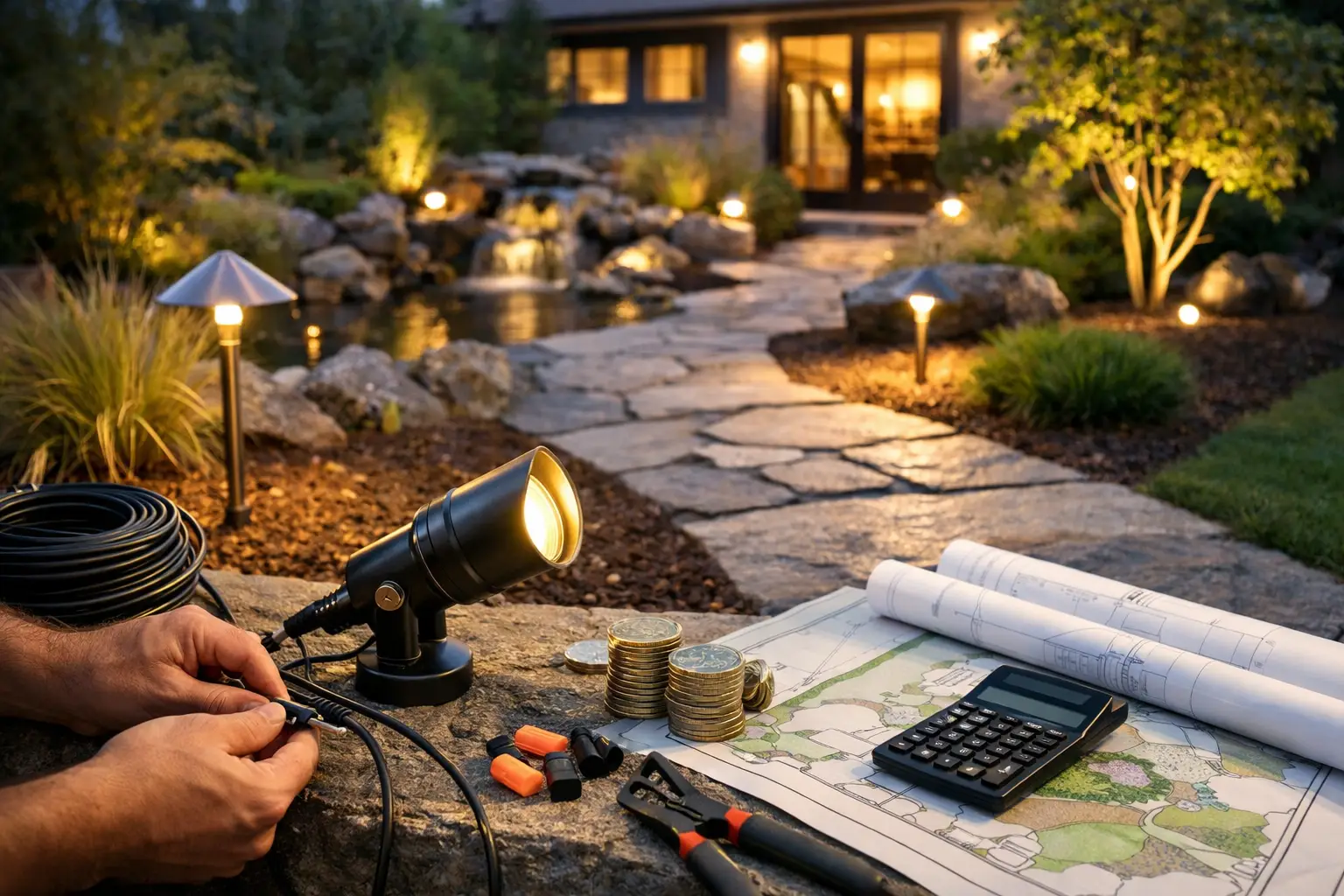
A beautiful outdoor lighting system should make your home feel more inviting at night, not create a patchwork of harsh spotlights, exposed wires, and fixtures that disappear into the landscaping. Landscape lighting installation cost reflects far more than the number of lights in the ground. It includes a thoughtful design, durable equipment, clean wiring, safe power management, and professional placement that makes the property look polished from every angle.
For Florida homeowners, the right system also needs to stand up to heat, heavy rain, humidity, irrigation, and coastal conditions in some areas. That is why two projects with the same number of fixtures can have very different prices – and very different results after a few seasons outdoors.
What Does Landscape Lighting Installation Cost?
Most professionally installed low-voltage landscape lighting systems fall between $2,000 and $6,000 for a modest residential project. A larger design for a pool area, extensive backyard, waterfront property, or home with mature landscaping often ranges from $6,000 to $12,000 or more. High-end properties with architectural lighting, long wire runs, premium metal fixtures, automation, and multiple outdoor zones can exceed $15,000.
Those ranges are useful starting points, not fixed packages. A front-yard refresh with pathway lights and a few uplights may require a smaller investment than a complete property design that highlights palms, columns, rooflines, outdoor kitchens, seating areas, and water features.
The best way to estimate your project is to start with how you want to use the space after dark. A system designed for curb appeal has different needs than one designed for entertaining around a pool, guiding guests safely to an entrance, or improving visibility near a business storefront.
A practical way to think about the budget
Rather than pricing landscape lighting by fixture count alone, consider the project in layers. First comes the lighting plan: which focal points deserve attention, where people walk, and where light should remain soft or hidden. Next comes the equipment, wiring, transformer capacity, and installation labor. Finally, there are finishing details, such as concealment, aiming, programming, and adjustments after sunset.
A low initial quote can be tempting, but it may exclude the details that determine whether the finished system looks intentional. Poorly aimed fixtures, undersized transformers, cheap plastic housings, and visible cable runs can turn a premium outdoor space into a maintenance project.
The Main Factors That Affect Price
Fixture quality and material
Fixtures are one of the biggest variables in the total cost. Basic fixtures can work for a simple application, but they may fade, crack, corrode, or allow moisture inside over time. Professionally designed systems often use brass, copper, powder-coated aluminum, or marine-grade materials chosen for the environment.
Florida weather is demanding. Fixtures near salt air, sprinkler spray, mulch beds, or pool decks need materials and seals that can handle constant exposure. Quality LED fixtures also provide better color consistency, efficient operation, and long service life. Paying more for durable fixtures can reduce replacement costs and keep the lighting looking refined rather than worn out.
Number and type of lights
Not every fixture performs the same job. Path lights create safer walkways. Uplights add depth to palms, trees, stonework, and architectural features. Downlights mounted in trees can create a natural moonlight effect. Step lights, deck lights, and hardscape lights improve usability around patios, stairs, and retaining walls.
A balanced design usually uses several fixture types instead of repeating the same light everywhere. That improves the look of the property, but it can raise the price because each fixture location needs careful installation and aiming. More lights are not automatically better. The goal is to create contrast, depth, and visibility without washing the whole yard in bright light.
Wiring, transformer, and electrical access
Low-voltage lighting uses a transformer to safely reduce standard household power. The transformer must be sized for the current system and leave room for future additions. It also needs a practical location with proper electrical access and protection from the elements.
Wire runs affect both material and labor costs. A compact front yard with easy access is typically simpler than a large property with beds, hardscape, pool decking, fences, or multiple entertainment areas. Long runs may require heavier-gauge wire to maintain consistent brightness across every fixture.
Professional installation includes routing wire carefully, making protected connections, and concealing cables so the finished space remains clean. This is especially valuable around patios, pool areas, and outdoor living spaces where exposed wiring can distract from the design and create avoidable hazards.
Landscape and hardscape complexity
Installation is more involved when lights must be integrated into existing stonework, pavers, retaining walls, mature trees, or dense planting beds. The installer may need to work around irrigation lines, drainage, roots, or underground utilities.
Hardscape lighting can be an excellent upgrade because it makes stairs, seating walls, and outdoor kitchens more usable after sunset. It also requires precision. A poorly placed fixture can create glare in guests’ eyes or cast uneven light across the surface. The cost accounts for that care, as well as the time required to preserve the appearance of the finished landscape.
Controls and smart automation
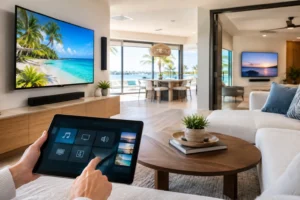
Basic systems can operate on a timer or photocell. Smart controls add convenience by allowing homeowners to schedule zones, adjust operating times, and manage the lighting from a phone or integrated control system.
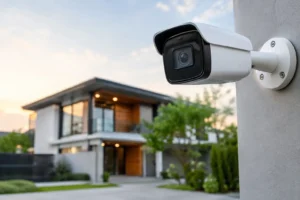
Automation is especially useful for homes with outdoor audio, patio TVs, security cameras, or other smart home features. You might want pathway and entry lighting to come on at dusk, pool-area lighting to run later on weekends, and architectural accents to turn off at a set time. These features add to the initial investment, but they make the system easier to enjoy without daily adjustments.
Where a Professional Design Adds Value
The most visible difference between a basic lighting job and a professionally designed system is restraint. Great landscape lighting does not announce every fixture. It draws attention to the home, landscaping, and outdoor amenities while keeping the equipment largely out of sight.
A professional installer considers viewing angles from the street, driveway, front door, patio, and indoor living areas. They also evaluate how the property changes at night. A palm that looks impressive in daylight may need a narrow beam to show its height, while a textured wall may look better with a soft wash of light than a bright spotlight.
The installation should be adjusted after dark, not simply completed during the day and left alone. Aiming lights at night helps eliminate glare, dark gaps, and unwanted spill into windows or neighboring properties. That final refinement is one reason professionally installed systems look more natural and provide stronger curb appeal.
How to Control Your Landscape Lighting Budget
You do not need to illuminate every part of the property at once. A phased plan can be a smart way to manage landscape lighting installation cost while protecting the overall design. Start with the areas that deliver the greatest daily value, such as the entry, front elevation, main walkways, pool deck, or patio. Then size the transformer and plan the wiring so future zones can be added without rebuilding the system.
It also helps to prioritize permanent features over short-lived trends. Highlight the architecture, specimen trees, steps, gates, and outdoor gathering spaces you will enjoy for years. Seasonal flowers may be beautiful, but they are rarely the best place to invest a large share of the lighting budget.
Ask for a clear scope that explains fixture types, materials, transformer capacity, control options, and what is included in labor. A detailed proposal makes it easier to compare options fairly. If one estimate is significantly lower, find out whether it includes the same fixture quality, wiring standards, nighttime aiming, and warranty support.
Is Landscape Lighting Worth the Investment?
For many homeowners, outdoor lighting delivers value every evening. It improves the approach to the home, extends the usefulness of patios and pool areas, and gives outdoor spaces the finished feel they have during the day. It can also support safer movement around steps, driveways, and pathways without relying on overly bright floodlights.
For commercial properties, lighting can make entrances, walkways, signage areas, and outdoor seating feel more welcoming and easier to navigate. The right design supports the customer experience while presenting the property as cared for and professional.
Frequencies USA designs outdoor lighting systems around the property and the way you plan to use it, with clean installation practices and equipment selected for lasting performance. A free estimate can help you decide whether a focused lighting upgrade or a full-property design makes the most sense for your home or business.
The right outdoor lighting plan is not about buying the most fixtures. It is about investing in the moments when you arrive home, host friends outside, or look across your yard and see a space that feels just as finished after sunset.
 Previous Post
 Next Post