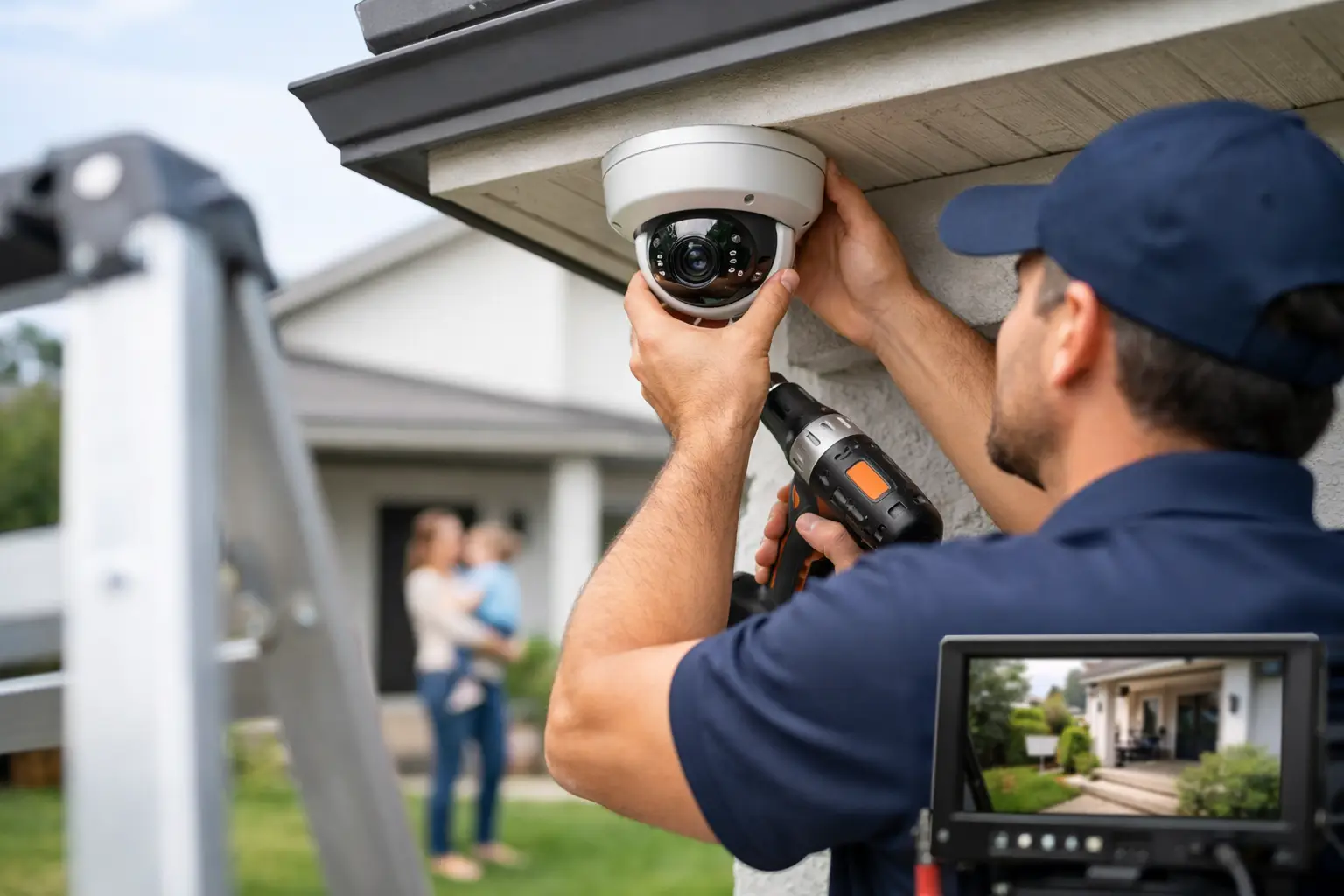
Security Camera Installation for Home Made Simple
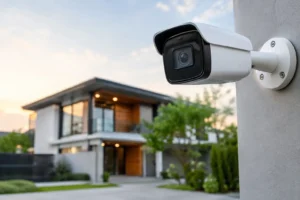
A camera mounted above the front door can be useful. A thoughtfully designed system that shows who approached the door, covers the driveway, protects the side gate, and stays easy to use is far more valuable. That is the difference a professional security camera installation for home can make. The goal is not to place cameras everywhere. It is to create dependable visibility around the places that matter most, without cluttering the exterior of a beautiful Florida home with exposed wires and mismatched equipment.
For many homeowners, security cameras begin as a response to one concern: package deliveries, unfamiliar activity near the pool gate, cars in the driveway, or a second home that sits empty part of the year. The right installation can address that concern while also fitting naturally into the way you live. You should be able to check a clear view when you need it, receive useful alerts instead of constant interruptions, and enjoy a finished look that does not distract from your home.
Start With Coverage, Not Camera Count
More cameras do not automatically mean better protection. A property with six poorly placed cameras can leave more blind spots than a home with four cameras planned around access points and daily activity.
Start by walking the exterior as if you were arriving for the first time. Consider the front entry, driveway, garage doors, side yards, rear doors, pool access, gates, and any detached structures. Then think about how someone could move between those areas. A camera should help identify a person or vehicle, not simply capture a distant shape crossing the frame.
The front door and driveway are common priorities, but they are not the full picture. A side passage can be an overlooked route to the backyard. A rear patio may need coverage for both security and awareness around outdoor entertaining areas. Homes with boats, RVs, work vehicles, or valuable outdoor equipment may benefit from dedicated views that protect those assets without aiming cameras into a neighbor’s private space.
Camera height matters as much as location. Mounting a camera too high may provide a broad overview but make faces difficult to identify. Mounting it too low can invite tampering or leave the lens vulnerable to weather and landscaping. A professional site review balances viewing angles, lighting, mounting surfaces, and the practical path for concealed cabling before a single hole is drilled.
Wired, Wireless, or a Hybrid Setup?
This is one of the first decisions in security camera installation for home, and the best answer depends on the property. Wireless cameras can be a practical option for a limited area, a temporary need, or a location where running cable would be unusually disruptive. They can also be convenient for homeowners who want a simple starting point.
However, wireless equipment still depends on strong Wi-Fi coverage, power or battery management, and a clear signal path. A camera at the far end of a large yard may look fine during setup but become less dependable when the network is busy or the signal has to pass through exterior walls. Battery-powered cameras also require an ongoing habit of charging or replacing batteries.
Hardwired cameras are often the stronger choice for permanent, whole-property coverage. They provide consistent power, can support higher-quality recording, and reduce reliance on a wireless connection at every camera location. When paired with a properly designed network, a wired system is especially valuable for larger homes, gated properties, and households that want continuous recording rather than short motion clips.
Many homes benefit from a hybrid approach. For example, key perimeter cameras can be wired for dependable coverage, while a wireless camera can serve a difficult-to-reach area. The point is to choose equipment around the property and your expectations, rather than forcing the property to fit a boxed kit.
Make Your Network Part of the Plan
Security cameras are only as useful as the connection and recording method behind them. This is where many DIY installations become frustrating. A camera may be technically online, but delayed live video, missed notifications, poor image loading, or intermittent disconnects make it difficult to trust.
Before adding multiple cameras, evaluate the Wi-Fi signal where each one will be located. Large homes, concrete block construction, metal features, outdoor kitchens, and distance from the router can all affect coverage. A professionally designed Wi-Fi mesh network may be the right foundation when cameras, smart TVs, streaming devices, phones, and work-from-home equipment are already competing for bandwidth.
Recording is another choice worth making early. Cloud storage can offer convenient remote access and off-site video retention, but it may involve subscription costs and depend on an internet connection. Local recording can provide greater control and continuous storage, although it requires the right recorder, storage capacity, and secure placement. Some homeowners prefer a combination so essential footage is available both locally and remotely.
Alerts deserve the same attention. The best setup distinguishes between a person walking to the front door, a vehicle entering the driveway, and a palm frond moving in the wind. Motion zones, person detection, schedules, and sensitivity settings can make notifications more useful. If every passing car or neighborhood cat triggers an alert, most people eventually turn alerts off. Proper configuration keeps the system helpful instead of noisy.
Plan for Florida Weather and Outdoor Living
Florida homes ask more from exterior technology. Heat, humidity, sudden storms, salt air near the coast, and intense afternoon sun can affect camera placement and long-term performance. Equipment should be selected for outdoor conditions, and connections should be protected rather than left exposed to moisture.
Sunlight is also a major consideration. A camera facing directly into the rising or setting sun may produce washed-out video at the exact time someone is entering or leaving. Night vision helps after dark, but good lighting design can improve clarity, color, and safety around walkways, driveways, and pool areas.
Landscape lighting and security cameras can work especially well together. Lighting makes outdoor spaces more welcoming after sunset while helping cameras capture meaningful details. The design should feel intentional, not overlit. A well-placed fixture can illuminate a pathway or gate without shining into windows or creating harsh glare in the camera view.
For homes with pools, outdoor TVs, patios, and entertaining spaces, camera placement requires a little discretion. You want visibility at entry points and around equipment, but you also want guests to feel comfortable. Cameras should focus on access, activity zones, and property boundaries rather than unnecessarily recording private gathering areas.
Clean Installation Protects the Look of Your Home
A security system should not leave behind visible cable runs, dangling power adapters, or equipment mounted wherever it was easiest to reach. The quality of the finished installation matters. Clean routing, carefully selected mounting locations, properly sealed exterior penetrations, and organized equipment placement all contribute to a system that looks like it belongs with the home.
Concealed wiring is more than an aesthetic upgrade. It can help protect cables from weather, tampering, and accidental damage. It also makes future service simpler when the system is labeled and organized from the beginning. This becomes especially valuable when cameras are integrated with other home technology, such as network equipment, smart displays, gate controls, outdoor audio, or lighting.
Professional installation is not always necessary for a single basic doorbell camera. But it becomes a smart investment when the project includes multiple cameras, hardwired runs, challenging exterior locations, network upgrades, or a home where visual polish matters. The right team can identify limitations before installation day and recommend a system that fits your budget without cutting corners on the areas that need dependable coverage.
A System You Will Actually Use
The most sophisticated security camera system is not helpful if everyone in the household finds it confusing. Daily use should be simple: open an app, view the right camera, review an event, and adjust alerts when routines change. Homeowners should also know who has access, how long footage is stored, and what happens if the internet goes down.
At Frequencies USA, camera systems are designed around real properties and real routines, with equipment guidance, clean installation, and support for the network behind it. Whether you are protecting a primary residence, a vacation property, or an outdoor living area, the best result comes from planning coverage before choosing hardware.
A free on-site estimate gives you the chance to see what is possible without guessing at angles, wiring paths, or equipment needs. Start with the areas you most want to protect, then build a camera system that delivers confidence without taking away from the comfort and appearance of your home.
 Previous Post
 Next Post