How to Plan Distributed Audio Zones at Home
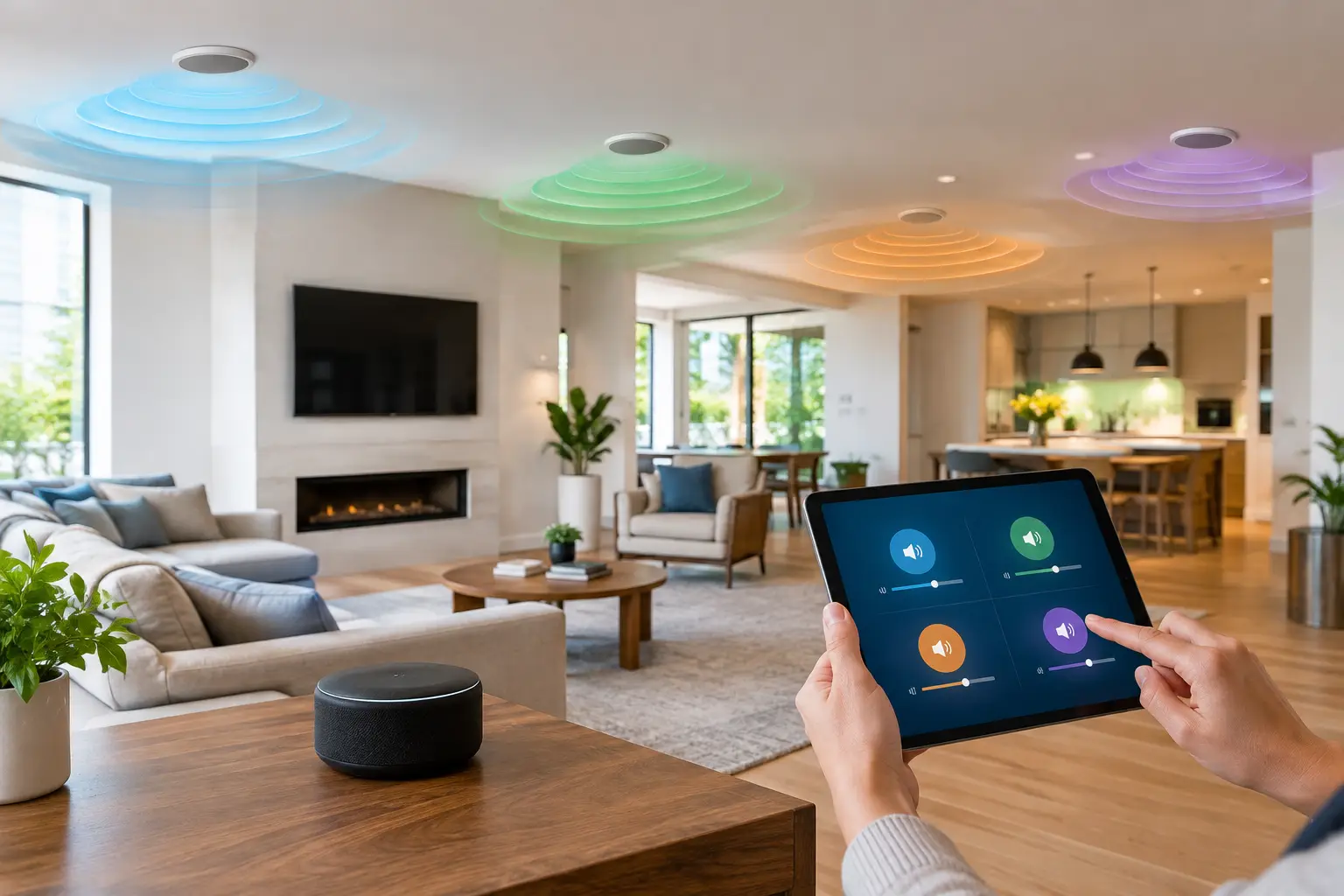
A great whole-home audio system should feel almost invisible. Music starts in the kitchen while breakfast is underway, follows the conversation to the patio, and stays out of the bedroom when someone is resting. That experience begins before speakers are purchased. When you plan distributed audio zones properly, you are deciding how each area of your home or business should sound, who controls it, and how the finished installation will look.
For Florida homeowners, outdoor spaces deserve as much attention as interior rooms. Pools, lanais, grilling areas, and covered patios often become the center of the home for much of the year. For businesses, the right zone layout can create a comfortable atmosphere without forcing the same playlist and volume into every corner. The goal is not to put speakers everywhere. It is to put the right sound in the right place.
Start With How Each Space Is Actually Used
The most common planning mistake is treating every room as an identical audio zone. A zone is an area that can play its own source and volume independently from the rest of the system. In some homes, the kitchen and family room should be one zone because people move freely between them. In others, they need separate control because the family room doubles as a movie space.
Think through a typical week rather than a special occasion. Where do you listen while cooking? Does someone work from a home office while others watch TV nearby? Does the patio host quiet dinners, weekend gatherings, or both? The answers determine where independent control matters.
A practical starting point might include a main living area, kitchen and dining area, primary bedroom, patio or pool area, and a dedicated media room. That does not mean every project needs five zones. A smaller home may benefit from two or three well-designed zones, while a larger property may need more. The right number depends on how people use the space and how much control they want.
Combine Open Areas Carefully
Open-concept homes can make zone planning less obvious. If the kitchen, dining room, and great room share one large footprint, one zone is often the cleanest choice. It keeps operation simple and avoids competing audio sources within earshot of each other.
However, a large open area may need more than one pair of speakers for even coverage. That is a speaker-placement decision, not necessarily a reason to add zones. Multiple speakers can play the same audio at a comfortable level, preventing the need to turn one loud pair up too high.
Plan Distributed Audio Zones Around Control
Convenience is the reason most people choose distributed audio. If the system takes several apps, remotes, and steps to operate, it will not get used as often as it should. Decide early who needs control and where that control should happen.
Most modern systems can be operated from a phone or tablet, but physical controls still have value. A discreet keypad near the kitchen entry, patio door, or primary suite can make everyday adjustments quick for guests, kids, or anyone who does not want to pull out a phone. The best approach is often a mix of both.
Source options matter, too. Many clients want to stream music independently in each zone, while others want TV audio available through the living room or patio speakers during a game. If television sound is part of the plan, account for it early. TV audio can require different equipment and design choices than music streaming, especially when lip-sync and volume control are priorities.
For commercial spaces, control should be even more straightforward. Staff should be able to select approved music, adjust the volume for a particular area, and avoid accidental changes to other zones. A reception area, showroom, office, and outdoor seating area may all benefit from different settings at different times of day.
Match Speaker Types to the Room
Speaker selection should support the room, not compete with it. In-ceiling speakers are a popular choice for kitchens, living areas, hallways, and covered patios because they deliver broad sound coverage while preserving a clean ceiling line. When properly placed and painted to match, they disappear into the architecture.
In-wall speakers can work well where ceiling placement is not practical or when a room layout calls for sound closer to listening height. Bookshelf, architectural, and landscape speakers may be better choices for certain rooms or outdoor designs. There is no single speaker style that fits every space.
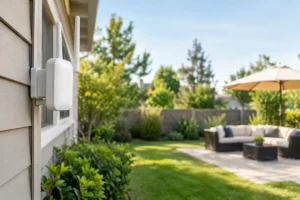
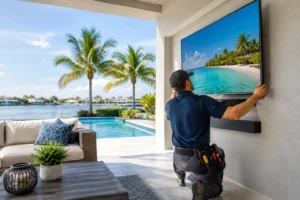
Outdoor audio deserves special care. Standard indoor speakers are not built for humidity, heat, rain exposure, or the broad areas found around a pool deck. Weather-rated patio speakers or landscape speakers can provide fuller, more even sound without blasting music from a single wall. Landscape systems are especially effective in larger yards because they distribute smaller speakers throughout planting beds and pathways, often paired with discreet buried subwoofers.
The objective outdoors is coverage, not noise. Evenly placed speakers let guests hear music clearly at lower volumes, which is more enjoyable for your household and more considerate of nearby neighbors.
Think About Volume Before You Think About Power
People often assume a better system simply means louder sound. In reality, the better result is comfortable sound at every seat, counter, lounge chair, or workspace. Speaker location, room size, ceiling height, furnishings, and outdoor layout all influence how much power is needed.
Hard surfaces such as tile, glass, and stone are common in Florida homes, and they can make a room sound more reflective. A thoughtful design may use more speakers at lower output rather than fewer speakers pushed hard. This improves clarity and helps conversation remain comfortable.
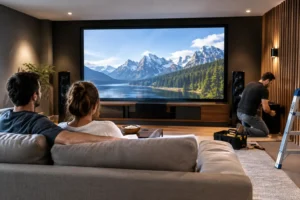
A media room or home theater is a separate consideration. It may benefit from dedicated surround sound or immersive audio rather than being treated as another background-music zone. It can still be part of a larger control system, but its equipment and speaker layout should be designed for focused viewing.
Protect the Look of the Home
A distributed audio system should improve the room without adding visual clutter. This is where planning wiring, equipment location, and speaker placement together makes a difference. Visible cords, surface-mounted raceways, and mismatched controls can take away from an otherwise polished renovation.
During new construction or a remodel, prewiring provides the most flexibility. It allows speaker wire, network cable, control wiring, and power requirements to be handled before drywall and finishes are complete. Even if you are not ready to install every speaker immediately, running the right wiring now can save significant work later.
Existing homes can also be upgraded cleanly. Experienced installers can often route wiring through attics, walls, closets, and equipment areas while minimizing disruption. The exact approach depends on the home’s construction, access points, and the finishes you want to protect.
Centralizing equipment in a closet, rack, or dedicated cabinet keeps amplifiers and networking gear out of sight while making service easier. It also supports a more refined result than scattering small components across countertops and media consoles. Proper ventilation and access are essential, especially in Florida garages or utility spaces that can become hot and humid.
Do Not Forget the Network
Streaming audio relies on a dependable network. If Wi-Fi drops near the patio, buffers in the primary bedroom, or slows down when several family members are online, the audio experience suffers regardless of speaker quality.
A distributed audio plan should consider Wi-Fi coverage and wired network connections for key equipment. A professionally designed mesh network can improve reliability across larger homes, concrete block construction, outdoor areas, and detached spaces. Where possible, hardwired connections for audio components and access points provide an added layer of consistency.
This is also the right time to think ahead. You may eventually add security cameras, outdoor TVs, smart lighting, or a home theater. Planning pathways, network capacity, and equipment space now can make future upgrades far cleaner and more cost-effective.
Set a Budget That Prioritizes Daily Use
A good audio plan does not require placing premium equipment in every room. Put the investment where it will have the biggest impact. The kitchen, main living area, patio, and pool area are often used far more than a formal dining room or guest suite.
You can also build in phases. Start with the zones you use every day, install the proper infrastructure for future rooms, and expand when ready. This approach protects the finished appearance of the home while giving you a system that grows with your needs.
The key trade-off is between immediate coverage and long-term flexibility. A smaller, properly engineered system is more satisfying than an oversized collection of speakers with confusing controls or uneven sound.
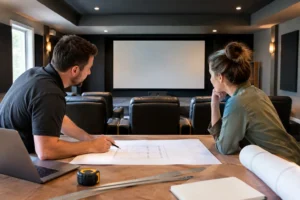
A professional site visit can turn these ideas into a layout that fits your rooms, routines, and finishes. Frequencies USA helps homeowners and businesses create clean, easy-to-use audio systems with concealed wiring and tailored control. The best next step is simple: walk through your space, describe how you want it to feel, and let the design follow the life you already live.
 Previous Post
 Next Post