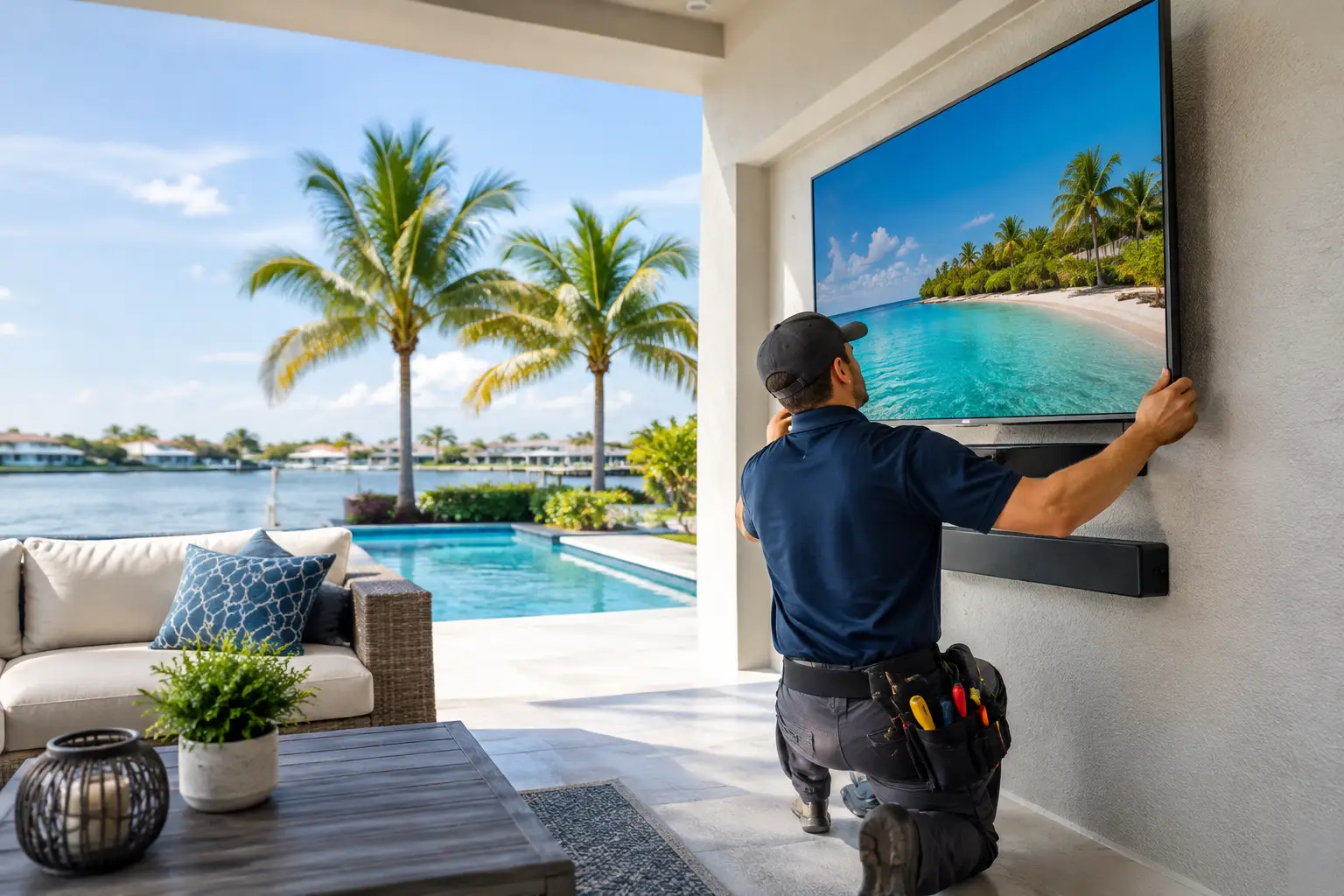
Outdoor Television Installation Guide for Florida
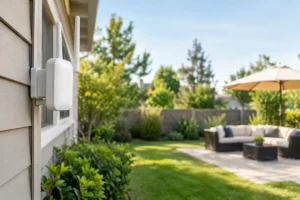
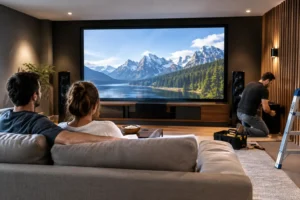
A great patio TV should feel like it was always meant to be there: easy to see from the seating area, easy to hear over the pool pump, and free of dangling cords or improvised covers. This outdoor television installation guide explains what separates a polished outdoor entertainment space from a setup that struggles through its first Florida summer.
Start With How You Will Use the Space
The right installation begins before anyone selects a screen size. Think about the moments the TV needs to support. A covered lanai used for Sunday football has different requirements than a pool deck where guests watch movies after sunset. A restaurant patio, clubhouse, or outdoor bar may need several displays, commercial-grade equipment, and simple control for staff.
Viewing distance matters, but it is not the only factor. A larger screen can make sense in an open seating area, yet a TV that is too large for a narrow patio can dominate the design and create uncomfortable viewing angles. Screen brightness is equally important. Florida sunlight can wash out an ordinary television even when it is under a roofline, especially when light reflects off a pool, pavers, or light-colored exterior walls.
Before installation, establish the TV’s primary viewing position, the hours it will be used most often, and whether the area is fully covered, partially exposed, or open to weather. Those answers guide the display, mount, wiring route, sound system, and weather protection.
Choose a TV Built for Outdoor Conditions
An indoor TV may work temporarily outdoors, but it is not designed for heat, humidity, wind-driven rain, insects, or rapid temperature changes. Its connections and internal components are more vulnerable, and glare will usually be a problem. Covering it when not in use helps, but a cover does not turn an indoor model into outdoor-rated equipment.
A purpose-built outdoor television is designed for exposure and typically offers a brighter panel, a sealed or protected chassis, and components rated for warmer and wetter environments. The best choice depends on placement. A full-shade model can work beneath a deep covered patio, while partial-sun locations generally call for a brighter display. A high-brightness, full-sun television may be appropriate near a pool or on an exposed wall, although it comes at a higher equipment cost.
This is one of the most meaningful trade-offs in an outdoor television installation. Spending less on an indoor display may be tempting, but replacement costs, poor daytime visibility, and premature failure can erase those savings. For a space used regularly, outdoor-rated equipment is usually the more practical long-term investment.
Plan the Best Location Before Mounting
A TV should be placed where people can see it without turning the patio into a dark, crowded, or visually cluttered zone. Whenever possible, avoid mounting the screen directly opposite the afternoon sun. Even a bright display performs better when it is shielded from direct glare.
Mounting height also deserves careful attention. Screens installed above fireplaces, bar counters, or outdoor kitchens often end up too high because the wall location looks convenient. The result is neck strain and a picture that is harder to enjoy from normal seating. The center of the screen should generally sit near seated eye level, adjusted for the layout and any obstructions.
Wall construction affects the mounting plan. Stucco, concrete block, brick, wood framing, and decorative stone each require the correct anchors and approach. A professional installer verifies what is behind the finished surface rather than relying on a mount that is merely rated for the TV’s weight. This protects the screen, the exterior wall, and everyone using the space.
For flexible viewing, a weather-resistant articulating mount can angle the TV toward a dining table or lounge area. Fixed mounts create a lower-profile look and are often ideal when the viewing angle is already established. Either way, the mount should be rated for outdoor use and securely installed for wind and daily movement.
Outdoor Television Installation Guide: Power and Wiring
A clean installation is more than an aesthetic upgrade. Proper power, low-voltage wiring, and cable management reduce exposure to moisture, prevent tripping hazards, and make the system easier to service later.
The television needs a dedicated, properly protected power source nearby. Extension cords running along a wall or across a patio are not a permanent solution. Outdoor electrical work must account for local code requirements, weather-rated boxes, and ground-fault protection where applicable. A qualified professional can coordinate the electrical plan when a new outlet or circuit is needed.
Signal wiring deserves the same planning. Streaming may handle most entertainment, but a dependable wired network connection is often better than relying solely on Wi-Fi at the far end of the property. Ethernet can provide steady performance for live sports, 4K streaming, and software updates. Conduit also creates a protected pathway for future upgrades, whether that means a new cable, a different control system, or additional speakers.
A refined installation conceals these connections without compromising access. That may mean routing wiring through walls, attic spaces, soffits, or underground conduit, depending on the home and patio design. The goal is simple: equipment should work beautifully without becoming part of the décor.
Do Not Let Outdoor Sound Become an Afterthought
TV speakers are rarely enough outside. Open air disperses sound quickly, and patio fans, conversations, traffic, and landscaping equipment compete with dialogue. Turning up the TV can make the sound louder without making it clearer.
A weather-rated soundbar can improve clarity for a smaller covered seating area. For larger patios, distributed outdoor speakers often deliver a more balanced experience because sound comes from several locations rather than one loud source beneath the screen. This lets guests hear the game or movie without overwhelming people at the pool or inside the house.
Speaker placement should respect nearby bedrooms and neighbors. A customized system can create strong sound in the entertaining zone while keeping volume controlled at the property line. If music is also part of the plan, separate audio zones let you play game audio at the patio TV while streaming music near the grill or pool.
Build Reliable Wi-Fi and Simple Control
A television is only as convenient as the network behind it. Weak outdoor Wi-Fi creates buffering, dropped connections, and frustrating delays when guests want to stream. The solution is not always another random extender. A properly designed mesh network or strategically installed access point can bring dependable coverage to patios, lanais, pool areas, and detached structures.
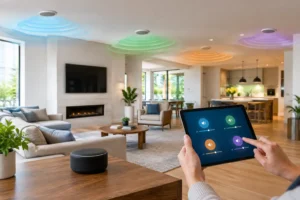
Control should stay simple. A system can be designed so one remote, keypad, or app turns on the TV, selects a favorite streaming service, and adjusts the right audio zone. For homeowners, that means less time troubleshooting. For commercial spaces, it means staff can operate the entertainment system without a complicated handoff or a collection of remotes behind the bar.
Protect the Investment From Florida Weather
Heat and humidity are constant concerns, but storms deserve equal attention. Surge protection helps defend sensitive equipment from power fluctuations, while correctly installed enclosures and weather-rated connections reduce moisture intrusion. In areas with frequent lightning, a layered protection plan is wiser than assuming one inexpensive surge strip will cover every risk.
A quality cover is still useful for keeping dust, pollen, and debris off the screen when it is not in use. It should complement an outdoor-rated installation, not substitute for one. Regularly inspect the mount, seals, cables, and connections, especially after severe weather.
When Professional Installation Makes Sense
A basic patio setup may be straightforward when the location is fully covered, power is already available, and Wi-Fi is strong. The project becomes more involved when it requires new electrical work, hidden cabling, masonry mounting, multi-zone audio, network upgrades, or integration with existing smart-home equipment.
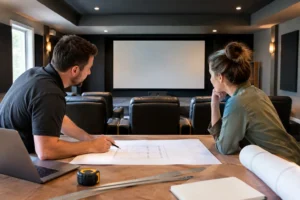
That is where professional design delivers value. Frequencies USA can assess the patio layout, sun exposure, wall construction, network coverage, and entertainment goals before recommending a tailored system. The finished result is designed to look intentional, operate simply, and support the way the space is actually used.
Your outdoor area should invite people to stay a little longer, whether that means a quiet movie night, a packed game day, or a relaxed evening by the pool. Begin with a thoughtful plan, and the technology will feel like a natural part of the experience rather than another thing to manage.
 Previous Post
 Next Post